
8 Oct 2026
Could volunteering be the next big superfood?
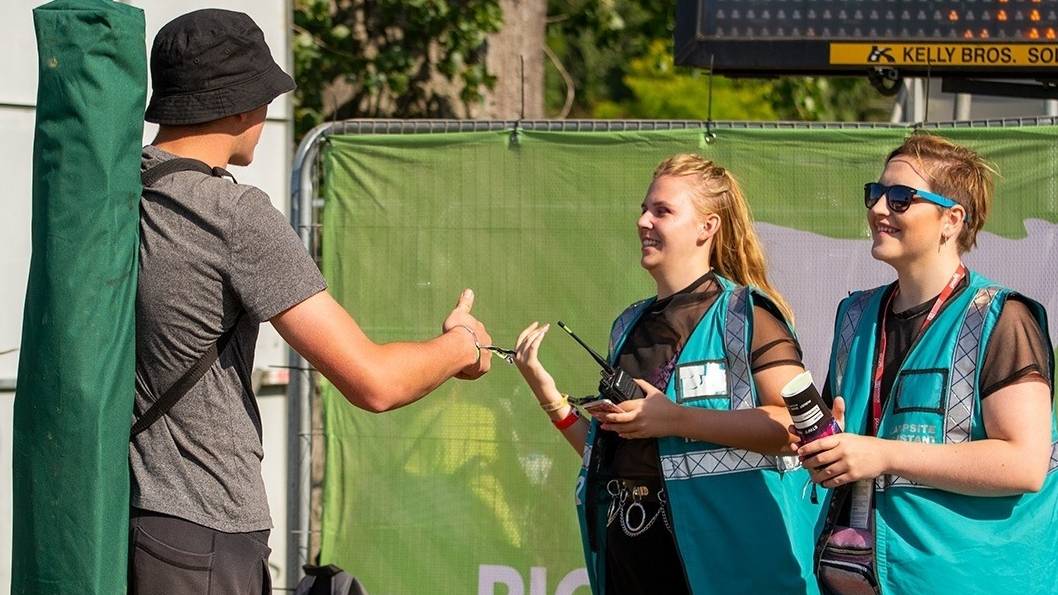
Helping others is good for you. Evidence suggests volunteering can boost your mood, ease stress and support your overall health, all while you make a difference to someone else.
Think about the last week. How many conversations did you have that went beyond small talk? If the answer is "not many," you're far from alone. Loneliness is one of the most common and least talked about struggles of modern life, and it can affect anyone, whatever their age or background.
The good news is that there's a simple, practical way to start tackling it: giving your time to a cause you care about. Here's why volunteering can be such a powerful way to build connection.
Loneliness is more than a passing mood
We tend to treat loneliness as a feeling that will pass, but the evidence says it deserves to be taken seriously. Large-scale research in England has found that a significant share of adults feel lonely much of the time, and many more say they don't have the companionship they'd like. The World Health Organization now treats social isolation as a public health concern, linking it with heart disease, stroke, depression, anxiety and cognitive decline.
The encouraging part is that the solutions don't have to be dramatic. Often it's the small things that make a difference: checking in on a neighbour, putting your phone away during a chat, joining a local group, or turning up regularly somewhere you're welcome.
1. It's good for body and mind
When you help others, your brain rewards you. Many volunteers describe a warm, uplifting feeling after giving their time, often called the "helper's high." Loneliness keeps the body in a state of low-level stress, while purposeful, social activity can help to settle it. Volunteering gives you something rare: a reason to get out of the house, a team to be part of, and visible proof that your effort matters.
2. It gives young people a place to practise real connection
Loneliness isn't only an older person's problem. Surveys of young adults suggest many feel isolated on a weekly, even daily, basis, and plenty say that social media leaves them feeling worse rather than better. When so much of life happens through a screen, face-to-face experience becomes precious.
Volunteering offers a low-pressure way to practise those skills. Whether it's welcoming people at a community event or helping out at a youth project, young volunteers build confidence, make friends outside their usual circles and gain experience that looks great on a CV. The same goes for new parents, people who've recently moved, or anyone in midlife who's craving a stronger local community.
3. It keeps retirement full of purpose
Retirement can bring freedom, but it can also bring quiet. Many older people live alone, and losing the daily routine of work can shrink a social world surprisingly fast. Volunteering helps rebuild that structure. It keeps both body and mind active, offers a sense of purpose, and creates friendships across generations that might never have formed otherwise. For many retirees, a regular volunteering shift becomes the anchor of their week.
4. It makes the first step easier
If you're feeling lonely, walking into a room of strangers can feel daunting. Volunteering takes the pressure off, because you already have something to do. Pouring tea at a community café, sorting donations at a food bank or helping at a fundraising event naturally gets people talking. Conversation grows out of the shared task, and confidence builds a little more with every shift.
Ready to give it a go?
You don't need special skills or a big time commitment. Start with a cause that matters to you, offer an hour or two, and see where it leads. You'll be helping others, and you may well find that the connection you were looking for was waiting on the other side of the door all along.
Looking for a way to get involved? Find out about our current volunteering opportunities.