
12 Jan 2026
What you need to know about SORP 2026
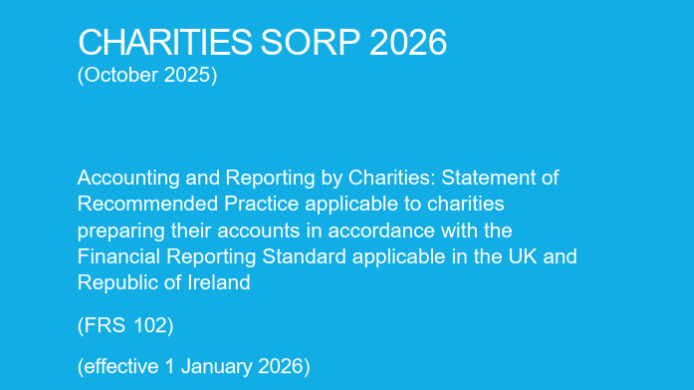
If your charity uses accruals accounts and your financial year starts in Q1 2026, you need to know this
The new Charity Statement of Recommended Practice, known as SORP 2026, applies to accounting periods starting on or after the 1st of January 2026.
If your charity prepares accruals accounts and your financial year starts in early 2026, this information is important.
SORP sets the rules for how charities write their annual report and explain their finances, impact, and governance. The changes mainly affect what trustees must include in the Trustees’ Annual Report.
Why SORP 2026 matters
The Trustees’ Annual Report is not just for the Charity Commission. It explains what your charity does, who it helps, how money is used, and how the charity is run.
SORP 2026 raises expectations around clarity, accountability, and transparency. Larger charities have more to report, but even small charities need to be clear and well organised.
Who SORP 2026 applies to
SORP 2026 applies to charities that prepare accruals accounts. Reporting requirements depend on your charity’s annual income.
Charities are grouped into three tiers:
Tier 1: income up to £500,000
Tier 2: income between £500,001 and £15 million
Tier 3: income over £15 million
If your charity is in Tier 2 or Tier 3, you must meet the requirements of your tier and all lower tiers as well.
What trustees must report on
All charities must cover nine main areas in their Trustees’ Annual Report:
• What the charity aims to do and how it works
• What it has achieved and the difference it made
• A review of finances
• Plans for the future
• How the charity is governed and managed
• Basic reference and contact details
• Sustainability and ESG considerations
• Any exemptions from disclosure
• Any funds held on behalf of others
The level of detail increases as income increases.
Objectives and activities
Your report should clearly explain:
• Your charity’s purpose, taken from your governing document
• The main activities you run to meet that purpose
• How trustees consider public benefit
It should also help readers understand the scale of your work, including volunteer involvement, and link activities to the figures in your accounts.
Larger charities must also explain longer-term aims, how success is measured, and the role of volunteers and grant making where relevant.
Achievements and performance
This section answers two simple questions:
• Who did you help and how
• What difference did your work make
Bigger charities also need to show how well activities met their aims, what worked, what did not, and why. Fundraising performance must also be explained where it is significant.
Financial review
All charities must explain:
• Their financial position using figures that match the accounts
• Any deficits and how they are being addressed
• Their reserves policy
• Whether the charity can continue operating as planned
Larger charities must also explain major financial risks, income sources, investment policies, and future financial pressures.
Plans for the future
All charities must say what they plan to do next and why.
For larger charities, this must include clear aims, planned activities, and how learning from the past has shaped future decisions.
Governance and management
Your report must explain:
• Your governing document
• How trustees are appointed
Larger charities must also explain how decisions are made, how trustees are trained, how senior pay is set, and any links to subsidiaries or partner organisations.
Sustainability and ESG
SORP 2026 encourages charities to report on environmental, social, and governance issues, often called ESG.
This can include:
• Environmental impact and climate risks
• Staff and volunteer wellbeing, equality and inclusion
• How data protection, cyber security, and ethics are managed
Not every charity needs to report in detail, but trustees should show awareness and proportionate action.
What you can do now
To prepare for SORP 2026:
• Review your current annual report and identify gaps
• Check that your objectives are clear and measurable
• Start collecting simple data during the year, not just at year end
• Make sure trustees and your Senior Leadership understand their responsibilities
• Begin thinking about sustainability and governance risks. You can take Eastside People's 2025 free ESG survey here to start benchmarking. You can also register interest for their 2026 ESG survey which will re-open from Tuesday 26th May 2026 to Friday 24th July 2026. All organisations that complete the survey in full receive customised reports showing how your organisation compares to the sector as a whole.
Need support?
Eastside People offers practical support for charities of all sizes, including:
• SORP readiness checks
• Trustee and governance advice
• Impact and ESG support
• Board skills and diversity reviews
• Trustee recruitment support
They are currently offering charity leaders a free consultation to talk through governance and reporting needs.
Download their full SORP guide here